
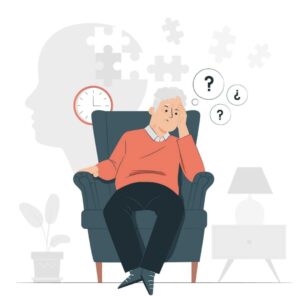
Dementia and Its Types: Understanding Memory Loss, Causes, and Treatment
Dementia is one of the most misunderstood neurological conditions affecting millions of people worldwide. As life expectancy increases, the number of individuals living with dementia is also rising. Early awareness and timely intervention can significantly improve quality of life for both patients and caregivers.
If you or your loved one is experiencing memory issues, consulting a dementia specialist, memory trainer, or the best psychiatrist in Mumbai can help with early diagnosis and effective management.
This article explains what dementia is, its causes, symptoms, different types, and treatment options in a simple and informative way.
What is Dementia?
Dementia is not a single disease but a group of symptoms affecting memory, thinking, behavior, and the ability to perform daily activities. It occurs due to damage to brain cells that interferes with communication between different parts of the brain.
Many people assume dementia is a normal part of aging, but that is not true. While aging increases risk, dementia is a medical condition that requires professional care from a dementia specialist or psychiatrist.
Early Signs and Symptoms of Dementia
The symptoms of dementia develop gradually and worsen over time. Some of the most common early signs include:
• Memory loss affecting daily life
• Difficulty remembering recent conversations or events
• Trouble finding the right words while speaking
• Getting lost in familiar places
• Difficulty concentrating or making decisions
• Mood changes such as irritability, anxiety, or depression
• Confusion about time and place
If these symptoms persist, it is advisable to consult a dementia specialist or the best psychiatrist in Vile Parle or Mumbai for proper evaluation.
What Causes Dementia?
Dementia occurs due to damage or degeneration of brain cells, which affects brain functioning. The causes may include:
• Neurodegenerative diseases
• Reduced blood flow to the brain
• Brain injuries
• Genetic factors
• Infections affecting the brain
• Vitamin deficiencies or metabolic disorders
In some cases, dementia-like symptoms may also be caused by treatable conditions such as thyroid disorders, depression, or vitamin deficiencies, which makes early diagnosis extremely important.
Types of Dementia
There are several types of dementia, each with different causes and symptoms.
1. Alzheimer’s Disease
Alzheimer’s disease is the most common type of dementia, accounting for nearly 60–70% of cases.
It occurs due to abnormal protein deposits in the brain known as amyloid plaques and tau tangles, which damage brain cells.
Common symptoms include:
• Progressive memory loss
• Difficulty recalling names and events
• Confusion and disorientation
• Difficulty performing familiar tasks
• Personality and behavioral changes
Early consultation with a dementia specialist or best psychiatrist in Mumbai can help slow the progression through medications and cognitive therapy.
2. Vascular Dementia
Vascular dementia occurs due to reduced blood flow to the brain, often caused by stroke or small vessel disease.
It is the second most common form of dementia.
Symptoms include:
• Problems with planning and decision-making
• Slow thinking
• Difficulty concentrating
• Memory problems
• Walking difficulties
Managing blood pressure, diabetes, and cholesterol is crucial in preventing vascular dementia.
3. Lewy Body Dementia
Lewy body dementia occurs due to abnormal protein deposits called Lewy bodies in brain cells.
Key symptoms include:
• Visual hallucinations
• Fluctuating attention and alertness
• Parkinson-like symptoms such as stiffness and slow movement
• Sleep disturbances
Diagnosis can be complex, so evaluation by a dementia specialist or experienced psychiatrist is important.
4. Frontotemporal Dementia (FTD)
Frontotemporal dementia affects the frontal and temporal lobes of the brain, which control personality, behavior, and language.
It often appears earlier than other types of dementia, sometimes between the ages of 40–65.
Symptoms include:
• Personality changes
• Socially inappropriate behavior
• Loss of empathy
• Language difficulties
• Impulsive actions
Early psychological assessment and therapy can help manage symptoms effectively.
5. Mixed Dementia
Mixed dementia occurs when two or more types of dementia occur together, commonly Alzheimer’s disease combined with vascular dementia.
Symptoms may vary depending on the brain areas affected.
How Dementia is Diagnosed
Diagnosing dementia requires a comprehensive evaluation by a psychiatrist, neurologist, or dementia specialist.
Diagnosis may involve:
• Detailed medical history
• Cognitive and memory assessments
• Psychological evaluation
• Brain imaging (MRI or CT scan)
• Blood tests to rule out other conditions
Many patients benefit from cognitive therapy and memory training programs guided by a professional memory trainer or therapist in Goregaon or Mumbai.
Treatment and Management of Dementia
Although most types of dementia cannot be completely cured, early treatment can slow disease progression and improve quality of life.
Treatment may include:
1. Medications
Certain medications can help manage symptoms related to memory, mood, and behavior.
2. Cognitive Therapy
Cognitive stimulation therapy helps maintain memory and thinking abilities.
3. Memory Training
Working with a memory trainer can improve cognitive skills and help patients develop strategies to cope with memory loss.
4. Lifestyle Modifications
Healthy lifestyle habits can slow cognitive decline:
• Regular exercise
• Healthy diet
• Mental stimulation
• Social interaction
• Proper sleep
5. Psychological Support
Counselling and therapy can help both patients and caregivers manage emotional stress.
If you are looking for professional guidance, consulting the best psychiatrist in Vile Parle, best psychiatrist in Mumbai, or a therapist in Goregaon can provide specialized support for dementia care.
When Should You See a Dementia Specialist?
You should consult a dementia specialist if you notice:
• Persistent memory loss
• Confusion about time or place
• Difficulty performing routine tasks
• Personality or behavior changes
• Difficulty communicating
Early diagnosis helps in better treatment planning, lifestyle adjustments, and caregiver support.
Preventing Dementia: Is It Possible?
While dementia cannot always be prevented, certain lifestyle choices can reduce the risk:
• Stay physically active
• Keep your brain mentally stimulated
• Maintain social connections
• Control blood pressure and diabetes
• Follow a balanced diet
• Avoid smoking and excessive alcohol consumption
Regular mental exercises with the help of a memory trainer or therapist can also support brain health.
Final Thoughts
Dementia is a challenging condition, but early recognition, proper diagnosis, and professional care can significantly improve outcomes. Understanding the different types of dementia helps individuals and families take timely action and seek appropriate treatment.
If you or a loved one is experiencing symptoms of memory loss or cognitive decline, consulting a dementia specialist, therapist in Goregaon, or the best psychiatrist in Mumbai or Vile Parle can help with early diagnosis and effective management.
With the right medical care, lifestyle changes, and cognitive support such as memory training, many individuals with dementia can continue to live meaningful and fulfilling lives.
Consult a Dementia Specialist in Mumbai
If you or a loved one is experiencing memory loss, confusion, or difficulty concentrating, early consultation can help slow progression and improve quality of life.
You can consult the best psychiatrist in Vile Parle, best psychiatrist in Mumbai, or an experienced therapist in Goregaon for:
• Dementia evaluation
• Memory assessment
• Cognitive therapy
• Memory training programs
• Treatment for behavioral symptoms
Early diagnosis by a dementia specialist can make a significant difference in managing the condition.
for more information:
visit: drrohitdeshmukh.in